
External Wall Insulation
Add a protective layer to your solid wall home and keep out the cold.
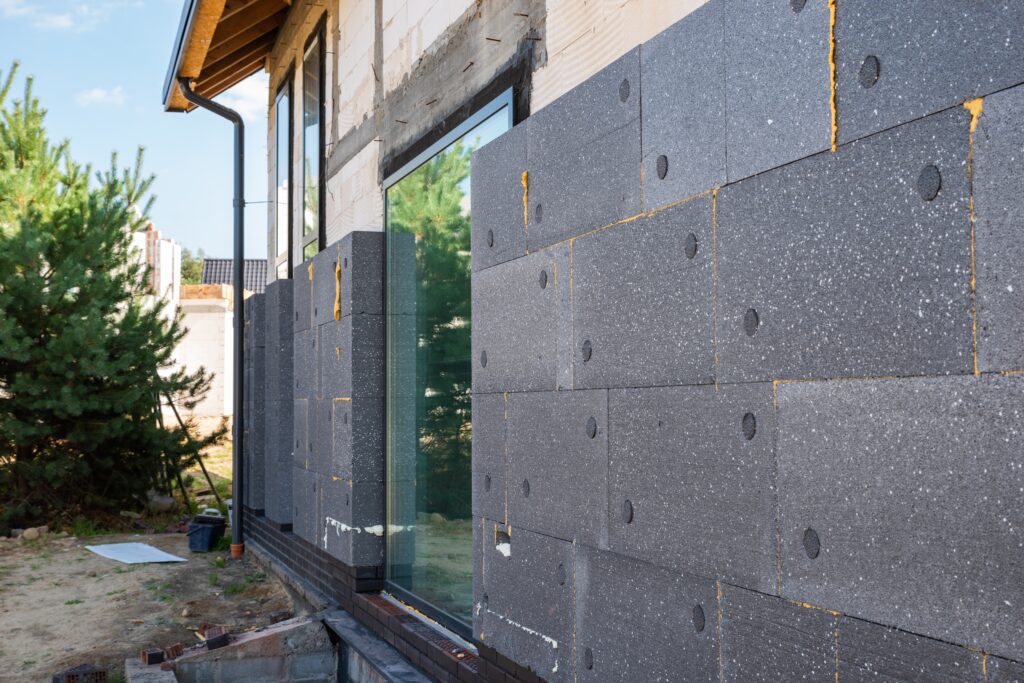
What is external wall insulation?
External wall insulation is a layer of insulating material that’s applied to your home’s exterior and finished with weather-resistant render or cladding. It’s a super effective solution for boosting the energy efficiency of a solid wall home that may not be suitable for cavity wall insulation. By reducing heat loss, external wall insulation not only contributes to a warmer living space but also saves you money on your bills.
At Bundle, our mission is to help every home in the UK save money, energy, and the planet. Our expert team can guide you through the process of adding external wall insulation to your home. Plus, advise you on the costs and payback period (that’s money back in your pocket), helping you on your journey to a more energy-efficient, sustainable future.
External Wall Insulation | Benefits at a glance
- Lower energy bills and financial savings
- A warmer, more comfortable home
- Greater energy efficiency
- Enhanced property appearance
- Removal of damp, plus enhanced air quality
- Reduced environmental impact
- Increased property value
How does external wall insulation work?
- Planning permission: Before adding external wall insulation to your home you need to check if you need planning permission. Our expert team can assist you in understanding and navigating the planning permission process.
- Property assessment: Our installers carry out an initial assessment to evaluate your external walls and determine the type of insulation that will be most effective.
- Insulation fixed to walls: Insulation boards or mineral wool are securely fixed to the exterior walls of your home using adhesive or mechanical fasteners.
- Protective finish: Once the insulation layer is in place, the surface is covered with protective render or cladding. This adds durability and ensures your home is weatherproof.
- Save a Bundle on your bills: It’s time to get cosy and enjoy money back in your pocket. External wall insulation can save you £200 to £700 on your annual energy bills (depending on the size of your property).
There are a number of government grants available to help homeowners with sustainable home improvements. These grants can dramatically reduce the costs of insulation upgrades making it more affordable than ever to boost your home’s energy efficiency.
The Energy Company Obligation (ECO4) is a government scheme designed to tackle fuel poverty and reduce carbon emissions within low-income homes across the UK. Unlike other energy grants, ECO4 puts the onus on some of the larger energy companies to assist eligible households with insulation and heating upgrades and boost energy efficiency.
You have a strong likelihood of securing ECO4 funding if you:
- Receive qualifying benefits The overarching goal of ECO4 is to ensure low incomes aren’t a barrier to improving the energy efficiency and warmth of UK homes.
- Live in social housing with poor energy efficiency Under the ECO4 scheme, energy efficiency measures can be provided to social housing with an EPC rating of D, E, F, and G – and where the premises are rented below the market rate. You can find and check your EPC certificate through the Gov.UK website.
- Have eligibility under ECO4 Flex If you don’t receive any of the qualifying benefits but live in one of the country’s least energy-efficient properties, you may still be able to secure funding through ECO4 Flex.
The Great British Insulation Scheme is a government initiative which aims to help more people insulate their homes and enjoy:
- Enhanced energy efficiency
- A warmer and more comfortable home
- Lower energy bills
The Great British Insulation Scheme obliges energy suppliers to help customers with insulation upgrades and reduce their heating bills. Costs could be covered in full through the scheme, or you may be offered the insulation for a contribution, depending on your circumstances.
Am I eligible for the Great British Insulation Scheme?
It’s worth noting 45% of UK households qualify for this grant. If your home has an EPC rating between D and G and your Council Tax band is between A and D – you should be eligible for funding. You can find and check your EPC certificate through the Gov.UK website. The scheme also aims to help those living on lower incomes and struggling to pay bills.
Let’s take a look at the criteria in more detail: :
Low-income households
You have a good chance of qualifying for free insulation if:
- You live in social housing or have a total household income of under £31,000 a year
You may also qualify if:
- You own your home (or in some cases rent from a private landlord)
- Your home has an energy performance certificate (EPC) rating of D or below as a homeowner
- Your home has an EPC rating of E or below as a private tenant
- Someone living at your property claims qualifying benefits
Energy-inefficient households
Households in this category may qualify for funding towards one type of insulation via the scheme. Please note: in some cases, and depending on your circumstances, you may also have to pay a proportion of the cost.
To be eligible for funding, all of the following needs to apply to you:
- You own your home or rent (either privately or from a housing association)
- Your home is in council tax band A to D in England, A to E in Scotland and Wales
- Your home has an EPC rating of D or below
If you rent a property, you will need permission from your landlord before you apply for the Great British Insulation Scheme.
Let’s discuss your greener future
Our team can help you:
- Check your eligibility for the ECO4 scheme
- Navigate the application process
- Kickstart your sustainable home upgrade journey
Green benefits of external wall insulation:
Greater energy efficiency
External wall insulation boosts your energy efficiency and prevents heat escaping from your home. Good news for your comfort levels and your energy bills.
Lower carbon footprint
Improving your energy efficiency also means reducing your carbon footprint. Insulation upgrades can cut your home’s CO2 emissions by as much as 900kg a year.
Enhanced air quality
Insulation eliminates damp, mould and condensation from your home. With proper ventilation, you’ll benefit from fresh air free of harmful pollutants and lingering odours.
Boosting renewable energy performance
A well insulated home allows renewable energy systems such as heat pumps and solar PV to last longer and perform at their best. That means even more money back in your pocket, plus greater gains for the environment.
Long lifespan
External wall insulation will typically last and pay back for upwards of 30 years. At Bundle, we are unwavering in our support of the UK’s 2030 net zero target. Our mission is to help every home in the UK save energy, money, and the planet. We are here to guide you and our experts will help you make an informed, hassle-free investment into a greener, more sustainable future.
Product specifications and datasheets
EWI Pro Render System
- Euroclass A1 non-combustible
- Superior thermal performance
- Lightweight quilt for ease of installation
 Download PDF Datasheet – Loft Roll 40
Download PDF Datasheet – Loft Roll 44
Frequently Asked Questions
External wall insulation (EWI) offers numerous advantages for homeowners looking to improve their property’s energy efficiency and comfort.
One of the main benefits is the significant reduction in heat loss, which can lead to lower energy bills. EWI also enhances the thermal performance of your home, providing a more consistent indoor temperature.
What’s more, the render or cladding finish can enhance your property’s aesthetic appearance, plus act as a protective barrier against weather conditions.
On top of this, EWI may increase your property’s value, as homes with improved insulation are often more attractive to buyers.
External wall insulation (EWI) and internal wall insulation (IWI) serve the same purpose of improving a building’s energy efficiency, but they differ significantly in their installation methods and impact.
EWI involves adding an insulating layer to the exterior of the building. It boosts your energy efficiency and the aesthetic appeal of your property. Unlike internal wall insulation, adding insulation to external walls causes no disruption inside the property, nor does it affect the interior floor space.
On the other hand, IWI involves fitting insulation boards or materials to the interior walls of your home. While this is an energy-saving upgrade, it can result in a loss of usable space within rooms and may require extensive changes to electrical fixtures and skirting boards.
Adding external wall insulation is likely to require planning permission as it affects the facade of the building. Consideration must also be given to windows and doors which may be adversely affected by a change in wall thickness.
Our team of experts can help you navigate the planning permission process.
External wall insulation typically lasts upwards of 30 years.
External wall insulation is usually between 60mm and 100mm thick, depending on the insulating strength of the material used.
Related services
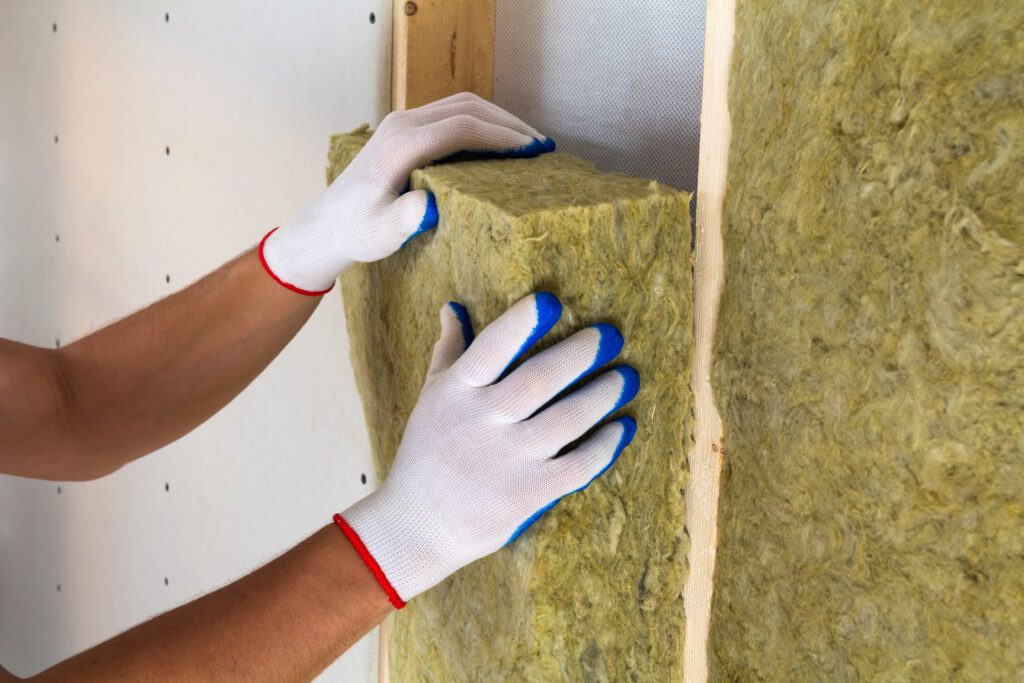
Internal wall insulation
If you don’t have a cavity wall, this is another smart option to save energy and boost the comfort of your home.
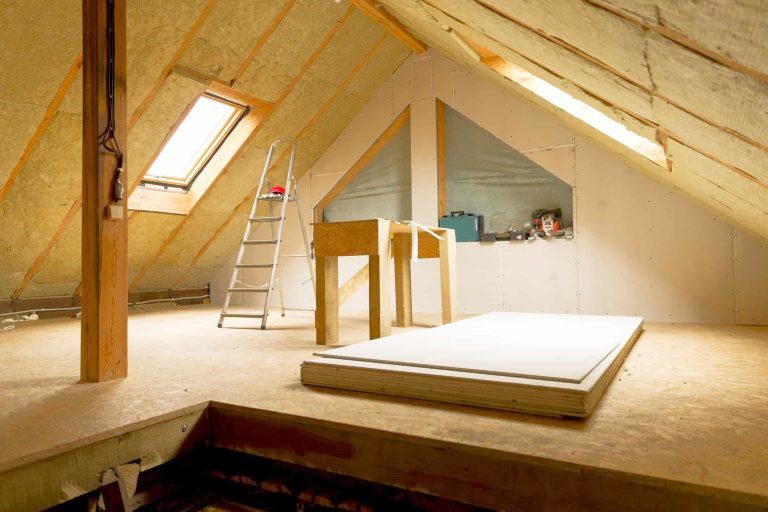
Room in roof insulation
Maintain a stable indoor temperature, turning your roof into a cosy and energy-efficient space.

Loft insulation
Say goodbye to losing 25% of heat through your roof. Say hello to a warmer, more energy-efficient home.
Insulation extraction
We can extract old or ineffective insulation from your property. Making way for expert insulation that boosts your warmth and your savings.