Social Value
Learn more about how energy-efficient heat pumps are and how to choose the best option for your home to help save money on bills.

As we look for smarter ways to keep our homes cosy and cut down on energy use, heat pumps have become the sustainable choice for household heating. One of the biggest draws is the mega energy efficiency heat pumps bring to the table. Unlike traditional systems that burn fuel, heat pumps simply move heat from the air, water, or ground around us. This means saving money on energy bills and doing your bit for the planet. In this article, we’ll dive into the heat pump landscape looking at how they work, what the benefits are, and why more homeowners are making the switch to a more comfortable and eco-friendly household.
Heat pumps are forward-thinking heating systems designed to move thermal energy from one location to another. They work on a simple principle: when heat is needed, the pump extracts it from the outside air, ground, or water source and transfers it inside your home to heat your radiators, hot water systems, or both.
Let’s take a look at two of the most common heat pump solutions for homes:
Ground source heat pumps take advantage of the steady temperatures found underground to heat your home efficiently. As they draw heat from the ground they work well no matter how extreme the weather is. This makes them a great choice for places with harsh winters.
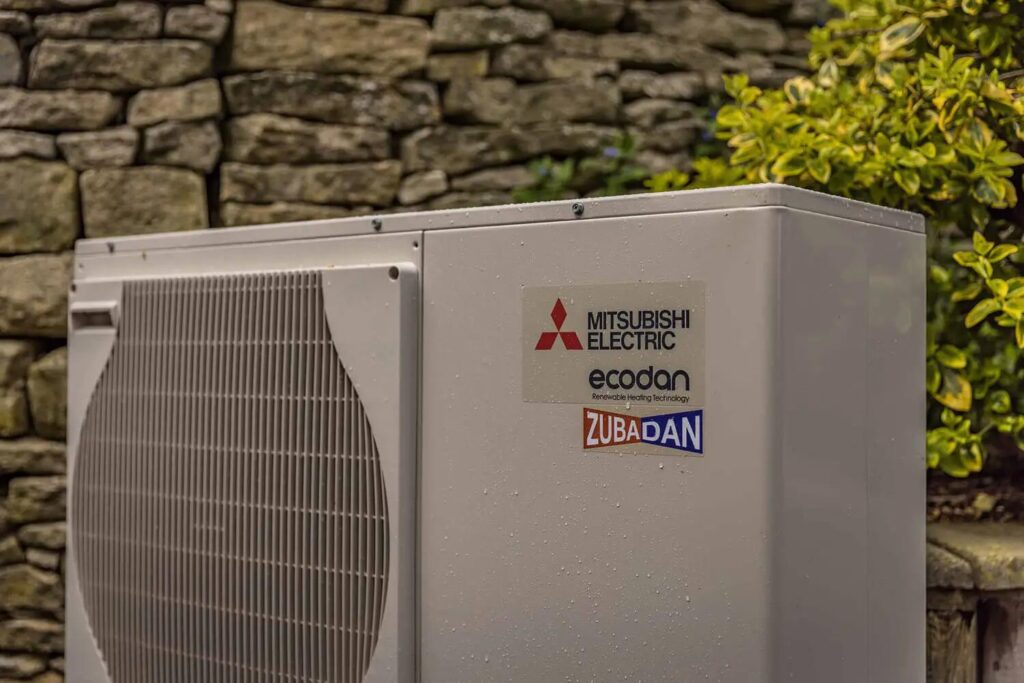
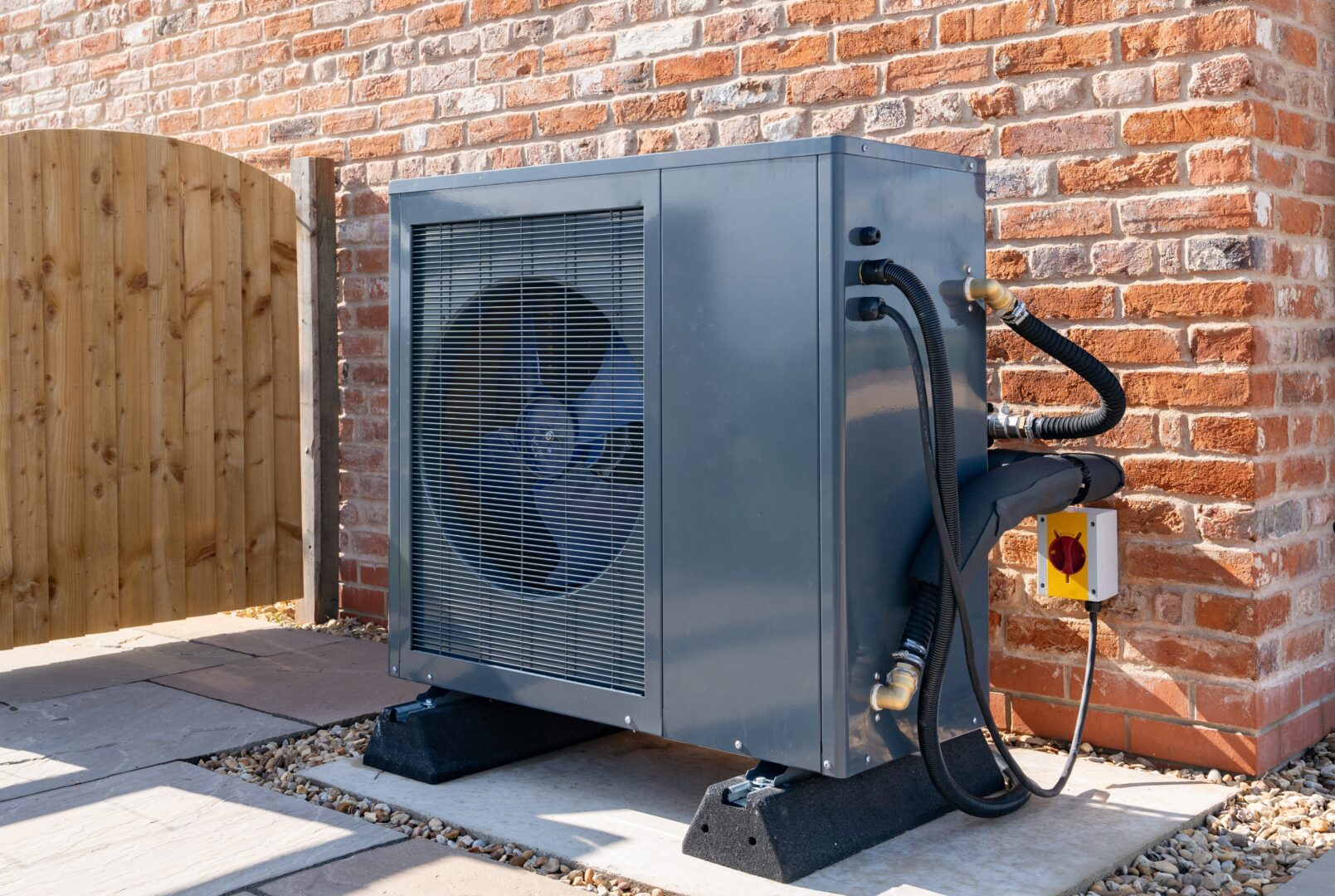
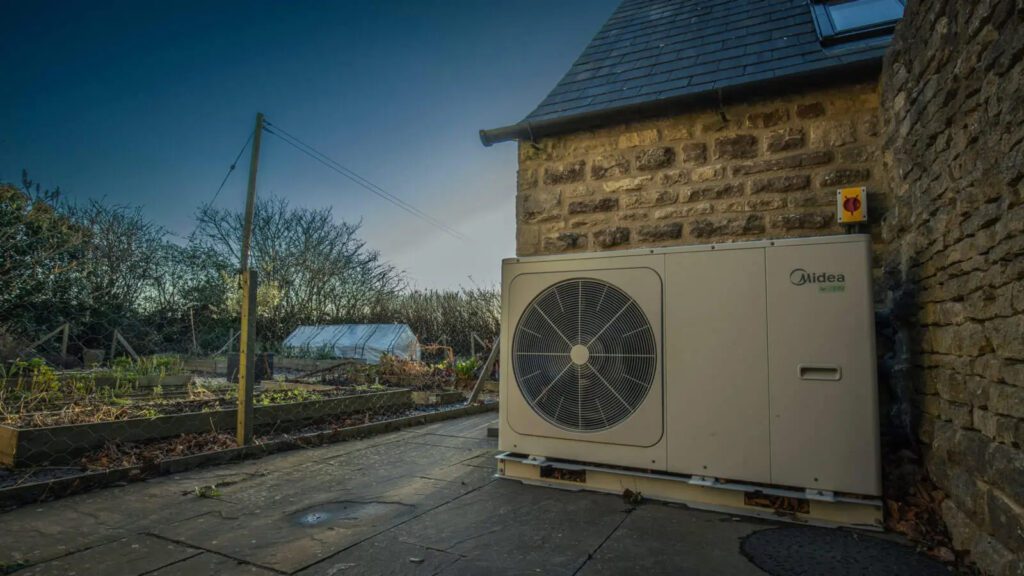
Air source heat pumps pull heat from the outside air, even when chilly. They are typically easier and quicker to install, plus they don’t need as much space, making them a popular choice for UK homeowners. There are other types of heat pumps which may also suit you well, depending on the needs of your household:
Heat pumps use pipes typically placed outside and filled with a mix of water and antifreeze. The pipes and the heat pump unit work together in simple steps to keep your home warm and cosy:
Heat pumps come with a raft of benefits that make them a smart choice for any home.
Overall, heat pumps are a sustainable, cost-effective solution for homeowners wanting to save money, boost comfort levels, and lower their environmental impact.
We’ve talked about the energy efficiency of heat pumps, but what does it really mean? Let’s dig in a little more: Heat pumps boast an average coefficient of performance (COP) of 350%. This means they produce 3.5 kilowatts of heating power for every 1 kilowatt of electrical energy used. For context, the average COP of a conventional gas boiler is 70-80%. Put simply, heat pumps win hands-down in the battle of energy efficiency!
They’re cheaper to run too and will cost an average household around £1540 per year. Of course, this will vary based on several factors including property size, heating demands, and the type of heat pump you choose. Despite running costs, and the initial outlay for installation, a heat pump is an investment that should eventually pay for itself through a significant reduction in your energy bills.
When it comes to choosing a home heat pump system, budget and space are two of your biggest considerations.
If your budget allows and space isn’t a concern, a ground-source heat pump is well worth the investment. Alternatively, if you need a more straightforward, budget-friendly solution, an air-source heat pump will fulfil your heating needs effectively, plus offer savings on installation costs.

Heat pumps are generally easier to maintain than combustion heating systems.
Regular maintenance is a good idea but this shouldn’t be a chore! It’s straightforward to keep a heat pump running smoothly.
It usually entails:
Simple maintenance, along with a professional service every year, is usually enough to keep your heat pump running efficiently for 20 years or more.
The size of your outdoor space is a consideration and you’ll need enough land to fit the ground loop, which can be set up either horizontally or vertically based on your available space. There’s also the internal plant equipment – such as the pump, hot water cylinder, and buffer tank – to consider. These units require more room than a standard boiler system so some thought should be given to where you position them.
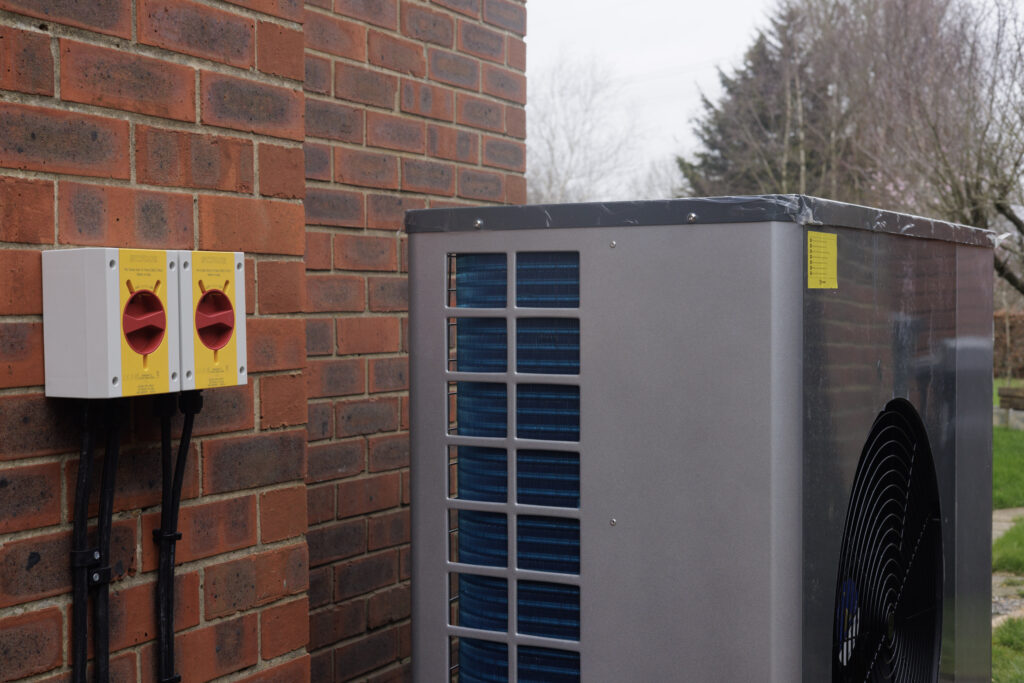
An air source heat pump should ideally be installed outside your property in a location that has good airflow and minimal obstructions. This is to ensure adequate heat absorption from the outdoor environment.
As more of us seek to reduce our energy consumption and carbon footprint, heat pumps are proving to be a smart investment for homeowners everywhere. The benefits are clear: lower energy bills, enhanced comfort, and increased property value, making the transition to a heat pump a smart choice for sustainable living.
At Bundle, our mission is to help every home in the country save energy, money, and the planet. Our expert team can guide you through your heat pump options and help you make an informed investment into your greener future. Use our handy planner tool and get a free quote for a heat pump system today.