Social Value


Solar panels have surged in popularity for homeowners looking to reduce their carbon footprint and lower their energy bills. By converting sunlight into electricity and reducing reliance on fossil fuels, solar panels provide a clean, renewable energy source and play a fundamental role in improving energy efficiency. In this article, we will dig deeper into what solar panels are, how they work and how they can benefit your home and the planet. We’ll also walk you through costs, grants, and the key things to consider before choosing a solar panel installation.
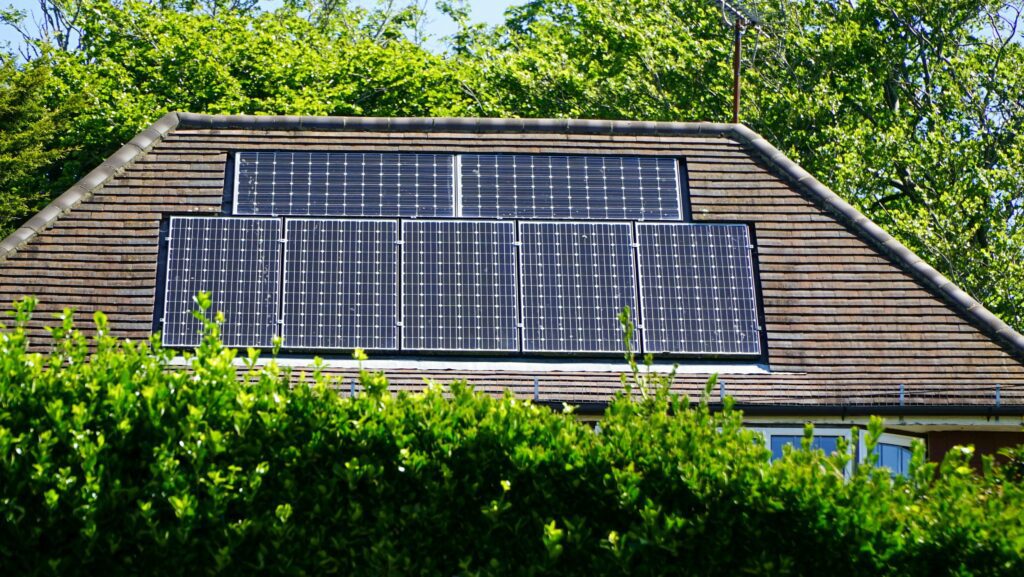
Solar panels, also known as photovoltaic (PV) panels, are devices that convert sunlight into electricity. Switching to solar panels for your home allows you to generate renewable power, boost your energy independence, and slash your electricity bills. On top of this, any spare energy you create can be exported back to the grid in return for payment.
In terms of solar panels for homes, there are two main types:
Photovoltaic panels are designed to turn sunlight into electricity. An array of solar PV panels consists of numerous solar cells which absorb sunlight and convert it into usable electricity. This electricity powers lights and appliances within your home.
Photovoltaic panels can either be connected to the grid or function as a standalone source of energy. If you opt to connect your solar PV panels to the grid, you ensure a consistent electricity supply. This is particularly advantageous for smaller solar systems that may not fully meet your energy needs as a stand-alone. Moreover, linking to the grid allows you to sell surplus electricity back to the energy company.
Solar thermal panels are designed to convert sunlight into heat, rather than electricity. They work by absorbing solar radiation and using it to heat a fluid, which then provides you with hot water or heating for your household.
Investing in solar panels is a smart, sustainable home improvement. Whether you’re looking to improve your finances or contribute to a greener future, solar panels come with a host of benefits, including:
After the initial outlay, solar panels generate electricity at no cost. This allows you to significantly reduce your energy bills. The extent of your savings will depend on factors such as your home’s size and the number of solar panels installed. However, solar panels typically recoup their initial investment within six to ten years. This makes them a savvy choice for homeowners looking to save money in the long run.
With the climate emergency becoming more urgent, solar panels are an excellent solution for cutting your carbon footprint. Unlike coal and other fossil fuels, solar energy is free from harmful emissions, ensuring a cleaner, renewable energy source. Switching to solar is not only good news for your finances, but for the future of the planet too.
A common misconception is that solar panels require constant sunshine to produce energy. In reality, they can generate power even during the shorter, cloudier days of winter. While it’s true that sunny weather enhances their efficiency, having the appropriate number of panels installed will ensure a consistent power supply for your home throughout the year.
Solar panels are designed to last between 25 to 30 years with minimal upkeep required after installation. While some components may need replacing around the 10-year mark, major issues are rare. Regular professional inspections are advisable to ensure optimal performance, but overall, you can expect a hassle-free experience and long lasting impact from your solar panel installation.
Solar panels are a popular choice for all homeowners wishing to enhance their energy independence. In remote areas, solar panels provide a reliable energy source independent of the national grid. And even for those in urban settings, solar panels offer protection from fluctuating energy prices and power outages, ensuring greater energy security and stability.
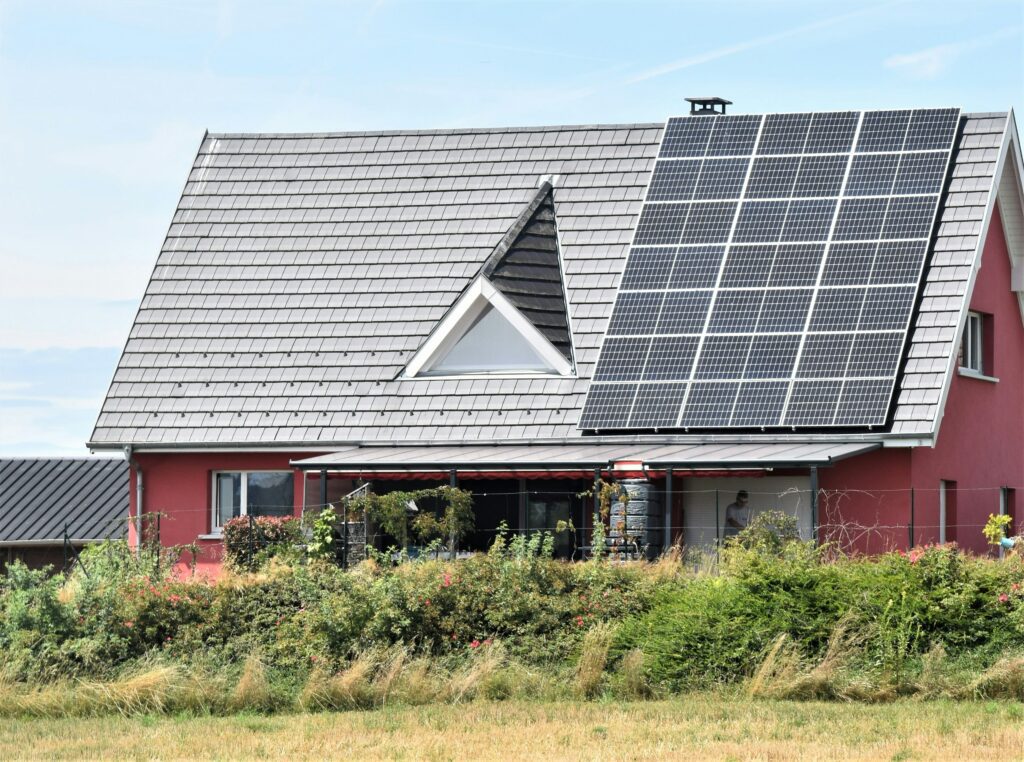
The cost of solar panels can vary based on several factors, mainly the size of your home and your energy requirements. Generally, homeowners can expect to pay between £5,000 and £10,000 for a complete solar panel installation.
While it can be tempting to choose a cheaper solar system, investing in a high-quality option can lead to greater savings in the long run. For instance, if you have enough space, a large array of solar panels, plus batteries, allows for energy storage (this means you can create energy in the day to use at night), giving you greater independence and energy efficiency.
As soon as your solar panel installation is in place, you will see an immediate and significant reduction on your energy bills. Again, the size of your savings will be dependent on the size of your solar array and your household energy consumption. In terms of a return on your investment, it may not take as long as you think. If you install a small solar panel system that’s suitable for your household’s energy needs, you could break even in 6-8 years. Larger systems should pay back even sooner, typically breaking even within 4-5 years.
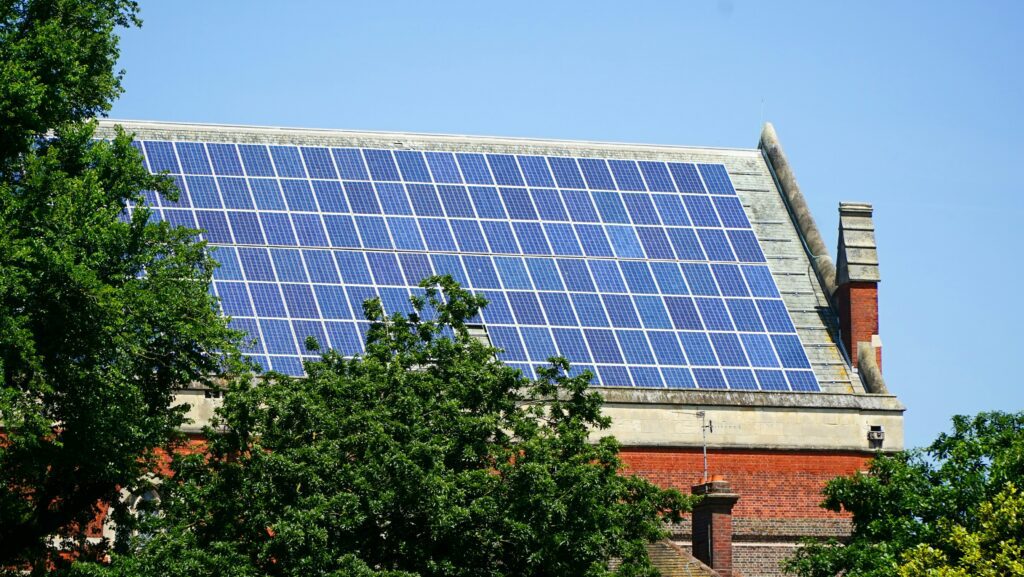
There are a number of government grants available to help homeowners make the switch to greener energy alternatives. The current grants available for solar panels include:
The Energy Company Obligation (ECO4) is a government scheme designed to tackle fuel poverty and reduce carbon emissions within the least energy-efficient and low-income homes across the UK.
The Home Upgrade Grant (HUG) is a government initiative that helps with energy-saving home improvements for low-income households who are off the gas grid.
For more information on grants and how you apply for them, take a look at our solar panel grants blog.
Before installing solar panels, it’s important to assess the condition of your roof. A strong, structurally sound roof is essential to support the weight of the solar installation and endure environmental elements. If your roof is old, damaged, or approaching the end of its lifespan, it may be wise to renovate it before going ahead with a solar panel installation.
Another consideration is the orientation and angle of your roof; ideally, south-facing roofs at a slope of 30 to 45 degrees are most effective for solar energy capture. Shade from trees, nearby buildings, or other obstructions can also impact the efficiency of solar panels, so ensuring ample sunlight exposure is key to maximising your investment in solar energy.
Maintenance of solar panels is vital to ensure they operate at maximum efficiency. Regular cleaning is necessary to remove dirt, dust, and debris that can accumulate on the surface and block sunlight. Rain may naturally wash away some of this buildup, but it’s a good idea to periodically clean your solar panels too. Professional inspections are recommended to check for any damage or wear, such as loose wiring or cracked panels, which can hinder performance. Choosing a provider like Bundle who offer maintenance services can ensure your solar investment continues to pay off.
In some cases, you may need to obtain permits before you install home solar panels. The regulations around this can vary depending on your location. Permits typically ensure that your installation complies with local building codes and safety standards. This may involve submitting detailed plans of your solar setup, including the dimensions of your panels and their placement on your roof. Our expert team can help navigate the permitting process helping you avoid potential fines or delays in your project.
Assessing your energy needs is a crucial step before purchasing solar panels, as it determines the size and capacity of the system required to meet your electricity demands. Start by reviewing your electricity bills from the past year to establish your average energy consumption in kilowatt-hours (kWh). This data will help you identify whether you want to cover all or a portion of your energy usage with solar power. Additionally, consider any future changes that may affect your energy consumption, such as increased use of electric appliances or plans to expand your home.
Determining the number of solar panels needed for your system is essential for optimising energy production and ensuring a sufficient power supply for your household. Typically, solar panels range from 250 to 400 watts each. To estimate the number of panels required for your home, divide your daily energy consumption (in kWh) by the average energy production of a single panel over the course of a day. The Bundle team are on hand to help with this assessment and provide you with a clearer picture of how many solar panels you need.
Solar panels perform well in the UK, despite relying on sunlight for energy production. They don’t require bright and sunny days to effectively power your home; with proper placement, solar panels can generate sufficient energy even on overcast days and during winter months. Additionally, homeowners have the advantage of storing surplus energy generated in the summer for use when conditions are less favourable.
Solar panels don’t generate electricity at night, but that doesn’t mean you will have to go without electricity or heating after dark. With the ability to store the energy produced during the day, you can use this electricity in the evening. However, if you don’t have a solar battery, you can’t store your electricity, meaning you’ll need to rely on the national grid at night. As a result, your solar panels will provide you with the best savings if you use more electricity when they’re generating electricity i.e. during the sunniest part of the day. Even if you plan on selling back your energy to the grid, it’s still far more efficient to use it yourself.
With periodic maintenance and professional inspections, Solar panels are designed to be durable and long-lasting, with a lifespan of 25 to 30 years.
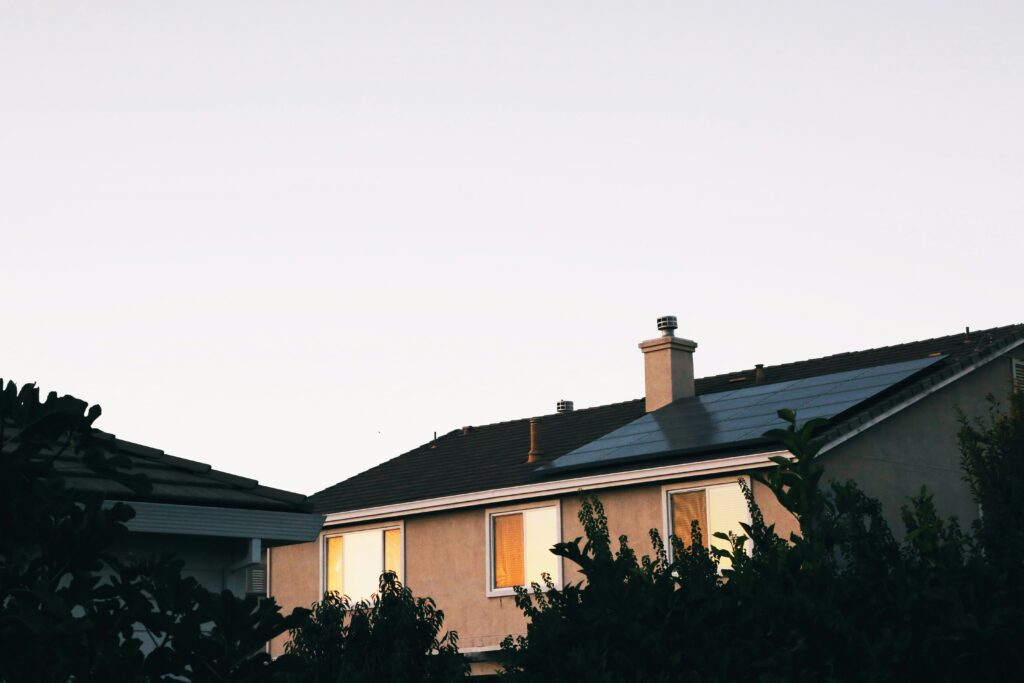
Making the switch to solar energy presents a smart home improvement opportunity for homeowners. By harnessing the power of the sun, we not only reduce our reliance on fossil fuels but also contribute to a healthier planet. And with solar panels designed for longevity and efficiency, your investment offers long-term benefits for your bank balance and the planet. Our expert team can guide you to the right solar PV system for your home, advise you on the costs and payback period, and help you on your journey to a more energy-efficient, sustainable future.