Social Value
Good ventilation is the cornerstone of a healthy home, providing a necessary exchange of indoor and outdoor air.

Without ventilation, stale air hangs around in your living space and quickly leads to a host of problems from humidity to dreaded mould growth. A well-ventilated home nips these issues in the bud, promoting better air quality and a greater feeling of comfort. But what are the signs of poor ventilation in the house?
The red flags to look out for include:
In this article, we will explore the classic signs and effects of poor ventilation within your home, with expert tips on how to improve ventilation in a house.
Poor ventilation happens when there isn’t enough fresh air circulating in your home, causing a build-up of stale air. This can happen when windows and doors are frequently closed, you have weak exhaust fans, or your home lacks proper ventilation systems altogether. When your living space isn’t well-ventilated, the air quality drops, wreaking havoc on your comfort levels and health.
The effects of poor ventilation bring a number of nasty problems into your home. Stagnant air can lead to excess moisture which creates the perfect setting for mould and potential damage to your property. On top of this, there are health risks as trapped pollutants and allergens can exacerbate allergies and respiratory conditions like asthma. Poor ventilation can also be the culprit for unpleasant odours and a general sense of discomfort, making your home feel stuffy and uninviting.
One of the most telling signs of poor ventilation in a house is the presence of mould. Mould thrives in damp and poorly ventilated areas, often appearing as dark patches on walls, ceilings, or around windows. Beyond the visible growth, mould causes a musty odour that hangs in the air, further signalling the need for improved airflow. If mould is present in your home, addressing ventilation issues swiftly is essential. Besides the potential damage to your property, prolonged exposure can lead to serious health problems.
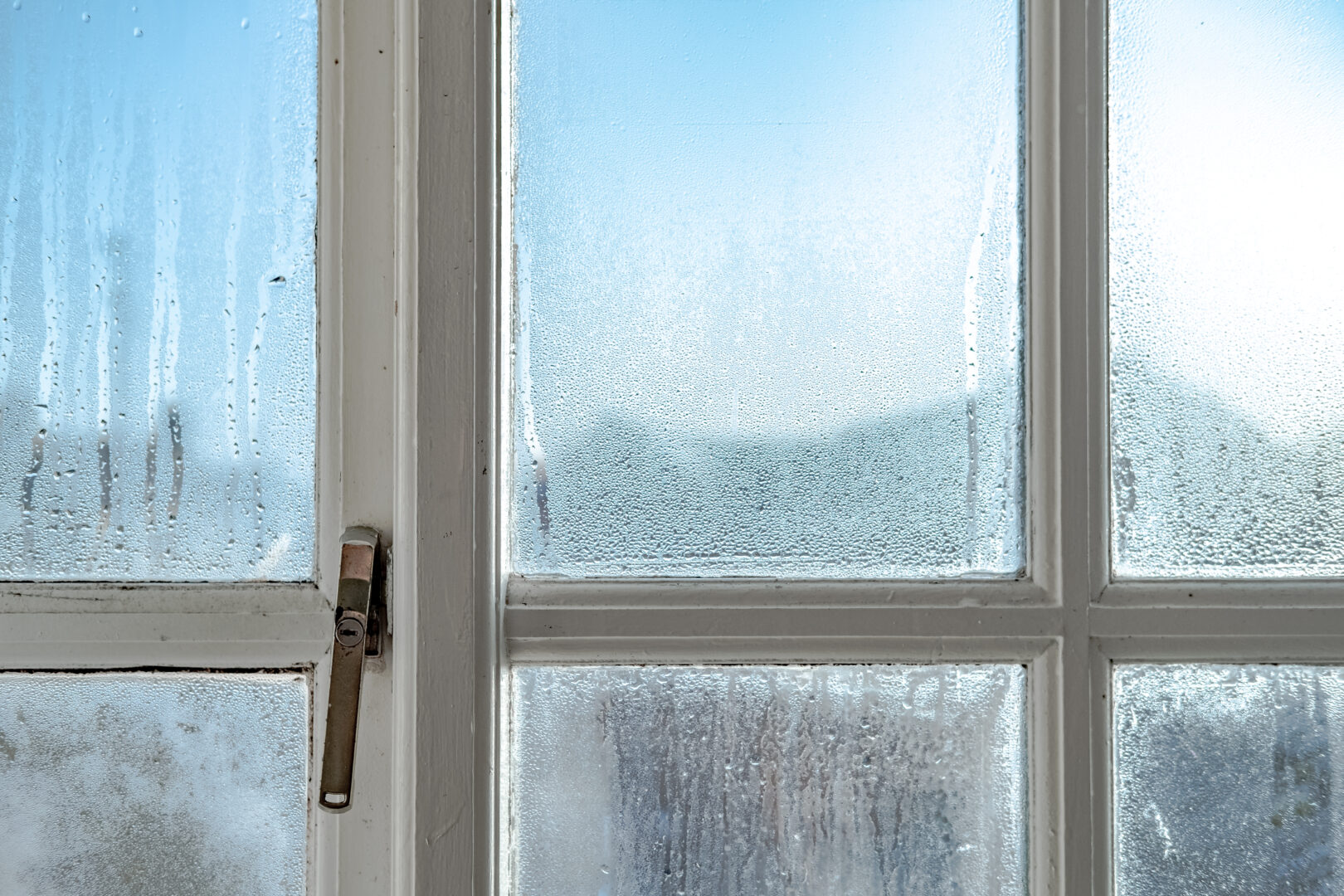
Another major sign that your space may not be well-ventilated is condensation. This happens when warm, moist air meets cooler surfaces, creating water droplets. You’ll typically spot it on windows, walls, and ceilings, especially in areas like bathrooms and kitchens where humidity is high. While it might seem harmless, condensation can damage your paint or wallpaper over time. More importantly, it can promote mould growth and cause damage to your home’s structure.
When there’s not enough fresh air circulating, dust particles accumulate quickly in your living spaces. Too much dust not only impacts our health but also clogs up heating and cooling systems, making them work less efficiently. Good ventilation can keep dust at bay and help your home (plus your household) stay healthy.
If you notice lingering smells in your home, it could mean the air quality isn’t great and the ventilation isn’t doing its job. These unpleasant odours may come from things like dampness, mould and cooking. When the air isn’t moving properly, these smells get stuck, making your home feel stale and uncomfortable.
When you have no fresh air coming in, have dust and allergens floating around, or chemicals from household products and cooking, it creates the perfect recipe for bad air quality within your home. When the air isn’t clean, you might start to notice headaches, feel tired, have trouble focusing, or even experience breathing problems.
Humidity changes in your home are another indicator of poor ventilation. When it’s too humid, things like mould and dust mites thrive. On the other hand, when it’s too dry, you might experience itchy skin, sore sinuses, and even get sick more often. Good ventilation is key to keeping humidity levels steady throughout your home.
When there’s too much moisture in the air, it can cause stains, peeling paint, or even damage to the structure of your house. You might notice brown or yellow spots on your walls and ceilings, which could mean there’s a leak or too much humidity. Not only do these stains impact the aesthetic appeal of your home, they also lead to mould growth.
Sadly, yes. When air doesn’t flow well, harmful particles can hang around, leading to a host of potential health problems. Allergens like dust mites, pet hair, and pollen become more concentrated, which can trigger allergies, especially for those who already suffer. Substances from paints, cleaning products, and furniture also hang in the air and can irritate your airways, causing headaches and dizziness. Most critically, mould thrives in damp areas without good ventilation which can lead to serious health problems, including asthma attacks and respiratory infections. Good ventilation and airflow are the fundamentals for a healthy home and a healthy household.
One of the easiest and most effective ways to improve the air in your home is to simply open your windows more. This lets fresh air in and helps stale air escape, making your indoor environment feel crisper and cleaner. Plus, good airflow can lower humidity levels, which is essential for stopping mould in its tracks.
Keeping internal doors open can greatly enhance the airflow throughout your home, helping air to move freely between rooms. By creating a connected flow of air like this you also help to keep temperatures even and comfortable throughout your living spaces.
Fans are a great way to keep your indoor space fresh and help air flow better. Ceiling fans work wonders in the summertime by creating a cool breeze that moves air around a whole room. If you have portable fans, you can set them up in corners or by windows to help push out warm air and pull in the cooler stuff from outside.
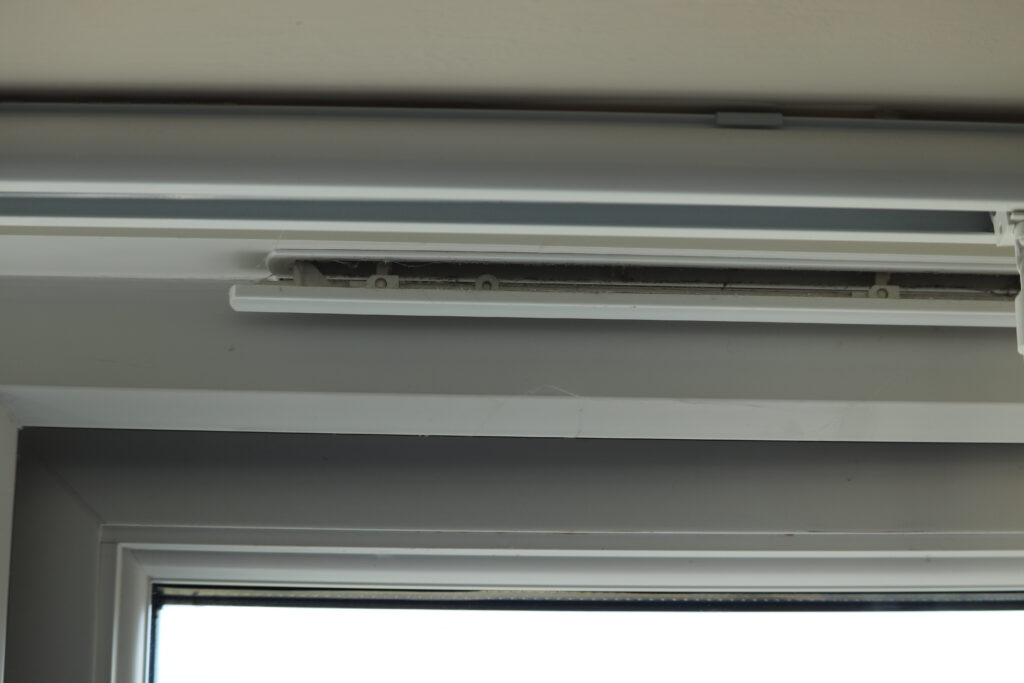
Another simple way to promote airflow is by opening your window trickle vents. These small vents let fresh air in while pushing stale air out, helping to keep things fresh, reduce humidity, and the presence of mould. Vents are especially helpful in homes that are well-insulated, where air can get trapped.
Insulation is just as important as ventilation when it comes to a comfy home. Good insulation keeps your home at a steady temperature by keeping warm or cool air inside and blocking out drafts. This means you won’t have to rely on your heating or cooling systems as much. What’s more, when you use expert insulation installers you can enhance both the ventilation and energy efficiency of your home.
Adding air vents to your home helps hugely with natural airflow, creating a nice balance that keeps your indoors feeling fresh and comfortable. Exhaust fans are also particularly useful in areas that often get damp, like bathrooms and kitchens, as they help to remove humid air plus nasty pollutants.
Finding air gaps or leaks in your home is important for saving energy and keeping your space comfortable. When air leaks are sealed, your home maintains a more controlled and balanced airflow, ensuring the air is fresh and clean and the indoor temperature is stable.
In addition to all of the above improvements, installing a good ventilation system is the final piece of the puzzle to improve the air quality and comfort of your home. A well-designed system helps keep the air flowing, brings in fresh air, and pushes out stale air, cutting down on indoor pollution.

A well-thought-out ventilation system is a game-changer for creating a comfortable home and a healthy household. With good ventilation and airflow, you can keep damp spots and mould at bay, plus ensure your living space stays free of allergens, pollutants, and nasty lingering odours. At Bundle, our expert team can help you with an assessment of your home to identify your airflow needs and any specific issues, such as areas prone to mould or dampness.
We’ll talk you through the ventilation we recommended, plus install new ventilation systems that will create the greatest impact on your household air quality and comfort levels. Together, we can improve your airflow and breathe new life into your indoor space!
Contact Us today to get a free quote for home ventilation